

What Is Blogging for Business? A Beginner's Guide to Growing Traffic & Sales
Starting a blog for your business can feel overwhelming. You've probably heard that blogging drives traffic, builds authority, and increases sales, but where do you actually begin?
BLOGGING
2/3/20268 min read
The good news? Blogging for business doesn't have to be complicated. With the right approach, you can create content that attracts your ideal audience and guides them naturally toward your products or services. In this guide, I'll walk you through exactly what business blogging is, why it works, and how to get started with a strategy that actually generates results.
What Is Business Blogging?
Business blogging is the practice of creating regular, valuable content on your website to attract, educate, and convert your target audience. Unlike personal blogs that share daily musings or random thoughts, business blogs have a clear purpose: to support your business goals.
Every blog post you publish serves as a gateway to your business. It's an opportunity to:
Answer questions your potential customers are already asking
Showcase your expertise and build trust
Drive organic traffic from search engines
Create content that can be shared across social media
Convert readers into email subscribers and eventually customers
Think of your blog as your hardest-working salesperson, one that never sleeps, never takes a day off, and continues attracting customers long after you hit "publish."
Why Blogging Matters for Your Business
Understanding the real benefits of blogging will help you stay motivated through the early months.
Organic Traffic That Compounds: Unlike paid ads that stop working when you stop paying, blog content continues attracting visitors indefinitely. One well-optimized post can bring traffic for years, creating a compounding effect.
Building Authority and Trust: When readers find genuinely helpful information on your blog, they start to trust you. You become an expert who understands their problems, not just another business asking for money.
Supporting Your Marketing Strategy: Each blog post can be repurposed into social media content, email newsletters, Pinterest pins, and more. One post can fuel your marketing for weeks across multiple platforms.
Converting Readers Into Customers: Every blog post is an opportunity to guide readers toward your offers, creating a natural path from browsing to buying.
The Core Components of a Successful Business Blog
Now that you understand why blogging matters, let's break down what makes a business blog actually work. These five elements form the foundation of every successful blogging strategy.
Understanding Your Audience
Everything starts here. You can't create valuable content if you don't know who you're creating it for. Take time to identify:
Who your ideal reader is
What problems they're trying to solve
What questions they're asking Google
Where they are in their journey (just learning vs. ready to buy)
The better you understand your audience, the easier it becomes to create content they'll actually read and share.
Strategic Topic Selection
Not all blog topics are created equal. The most effective business blogs focus on topics that balance three criteria:
Search potential: People are actively searching for this information
Relevance to your offers: The topic connects naturally to what you sell
Your unique perspective: You can provide genuine value and expertise
Random topics might get traffic, but strategic topics get traffic that converts.
Valuable, Actionable Content
Here's a truth that separates successful blogs from abandoned ones: your content needs to actually help people. Every blog post should leave your reader feeling like they learned something useful and can take action immediately.
Avoid fluff. Skip the unnecessary introductions. Get to the point and deliver real value. Your readers' time is precious, honor that by making every word count.
SEO Optimization
Creating great content isn't enough if no one can find it. Basic SEO includes using relevant keywords naturally, creating compelling titles, structuring content with clear headings, including internal links, and optimizing images. Start with these basics and refine your approach as you learn.
Clear Calls-to-Action
Every blog post should guide readers toward a next step. This could be downloading a free resource, joining your email list, checking out a product, or exploring a related service. Without clear calls-to-action, you're leaving money and opportunities on the table.
Getting Started: Your First 30 Days of Business Blogging
Ready to launch your blog? Here's a practical roadmap for your first month that will set you up for long-term success.
Week 1: Set Your Foundation
Start by clarifying your blog's purpose and planning your content strategy. Ask yourself:
What is my primary business goal for this blog?
Who am I writing for, specifically?
What topics align with both my audience's needs and my offers?
Create a simple content calendar for your first 10 blog posts. Having a roadmap eliminates the "what should I write about?" paralysis that stops most bloggers in their tracks.
Need help organizing your content strategy? Visual planning tools can make this process so much easier, especially when you're juggling multiple content ideas across different platforms.
Week 2: Create Your First Posts
Write your first 2-3 blog posts focusing on topics you're knowledgeable about that your audience is searching for. Don't aim for perfection, aim for published. Start with a compelling hook, break content into scannable sections with clear headings, use short paragraphs, include actionable tips, and end with a clear next step.
Week 3: Set Up Your Promotion Strategy
Your blog won't promote itself. Plan how you'll share each post across your marketing channels:
Email: Announce new posts to your subscribers
Social Media: Share snippets and key takeaways
Pinterest: Create eye-catching pins that drive traffic back to your posts
Pinterest especially can be a traffic goldmine for bloggers. The platform loves fresh, helpful content and can drive consistent visitors to your blog for months or even years after you pin something. If you're not already leveraging Pinterest, you're missing out on a significant traffic source.
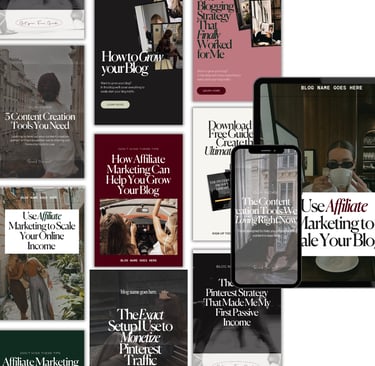
Creating beautiful, click-worthy pins doesn't have to be time-consuming either. With the right templates, you can design professional pins in minutes rather than hours.
Week 4: Monitor, Learn, and Adjust
After your first posts are live and promoted, check your analytics. Look at which posts get the most traffic, how long people stay, which topics generate engagement, and where traffic comes from. Use these insights to refine your strategy and double down on what's working.
Common Blogging Mistakes to Avoid
Watch out for these pitfalls: writing without strategy (every post should serve your business goals), inconsistency (commit to a realistic schedule you can maintain), ignoring SEO basics (optimize so people can find you), skipping calls-to-action (always guide readers to the next step), and giving up too soon (most blogs need 6-12 months to gain traction).
Turning Blog Traffic Into Sales
Here's where business blogging gets really interesting: converting your readers into customers. This doesn't happen by accident, it requires strategy.
Build Your Email List
Your email list is your most valuable asset as a blogger. Blog traffic comes and goes, but email subscribers are yours. Every blog post should include opportunities for readers to join your email list, whether through content upgrades, free resources, or newsletters.
Speaking of free resources, offering valuable freebies related to your blog topics is one of the most effective ways to convert casual readers into engaged subscribers. When someone downloads your free resource, they're raising their hand and saying "yes, I want more from you." That's your opportunity to nurture the relationship and eventually introduce your paid offers.
Create Strategic Content Upgrades
A content upgrade is a bonus resource related to a specific blog post that readers can download in exchange for their email address. For example, if you write a post about social media strategy, you might offer a free content calendar template as a content upgrade.
These work incredibly well because they provide immediate value related to what the reader is already interested in.
Integrate Soft Sells Naturally
You don't need pushy sales pitches in your blog content. Instead, weave mentions of your products or services naturally into your posts where they genuinely add value. If you're explaining a strategy, mention the tool or template that makes implementation easier. If you're teaching a concept, reference the course or product where readers can dive deeper.
The key is relevance. Only mention offers that actually help your reader solve the problem you're discussing in that post.
Use Visual Content to Your Advantage
People respond to visuals. Well-designed graphics, templates, and resources not only make your content more engaging but also give you promotional assets you can use across multiple platforms.
Whether you're creating Pinterest pins to drive traffic, Instagram posts to build awareness, or lead magnets to grow your email list, having a library of ready-to-use templates saves you time and ensures brand consistency. When your visual content looks professional and cohesive, it builds trust and makes your business appear more established.
Taking Your Blog to the Next Level
Once you've established your foundation, amplify your results by repurposing content across platforms, updating old posts with fresh information, building topic clusters that signal authority to search engines, and guest posting strategically to reach new audiences. As you grow, invest in tools that streamline your workflow and save time.
Your Action Plan: Starting Today
Blogging for business isn't about perfection, it's about consistency, value, and strategic thinking. Here's what to do right now:
Define your blog's purpose: Write down your primary goal and who you're serving
Brainstorm 10 topics: List problems your audience faces that you can solve
Create a simple schedule: Decide how often you'll publish and stick to it
Write your first post: Start today, even if it's imperfect
Set up promotion channels: Prepare how you'll share your content
Create lead magnets: Develop free resources that convert readers into subscribers
Remember, every successful blogger started exactly where you are now, with zero posts, zero traffic, and a lot of questions. The difference between those who succeed and those who don't isn't talent or luck. It's consistency and a willingness to learn as you go.
Your blog is one of the most powerful business assets you can build. Unlike social media followers that live on rented land, your blog is yours. The content you create today will continue working for you months and years from now, attracting customers while you sleep.
Ready to Get Started?
Starting a business blog is just the beginning of your content marketing journey. To help you hit the ground running, I've created resources specifically for entrepreneurs like you who want to grow their traffic and sales through strategic content.
If you're looking for tools to streamline your blogging workflow, from creating stunning Pinterest pins that drive traffic to designing professional graphics for your posts,, check out our ready-to-use templates that save you hours of design time. And if you want free resources to jumpstart your content strategy, visit our freebies library where you'll find guides, checklists, and templates designed specifically for content creators and digital entrepreneurs.
The hardest part of blogging is starting. But now that you have a roadmap, there's nothing standing between you and your first published post. Your future customers are out there right now, searching for the exact solutions you can provide. Your blog is how they'll find you.
So what are you waiting for? Open up that blank document and write your first post. Your blogging journey starts now.

BLOOM DIGITAL STUDIO
Blog
Blooming Templates
The Bloom Vault
A world where building a digital business feels calm, structured, and entirely possible for anyone willing to think in systems.
PRODUCT
Freebies
LEARN
SOCIAL